Beaver Activity Near Homes: Flooding Risks and Wildlife Control Options
If you're dealing with beaver activity near your home and concerns about flooding, local contractors can provide effective wildlife control and removal solutions.
Property owners near waterways or wooded areas often face concerns about beaver activity near homes, particularly when it comes to flooding risks and wildlife management. Understanding how beavers build dams and influence water flow can help residents recognize potential issues early, such as blocked streams or increased water levels that threaten property safety. Exploring wildlife control options with experienced local contractors can provide practical solutions to mitigate these risks, ensuring that both property integrity and local ecosystems are managed responsibly.
For homeowners dealing with persistent beaver activity, connecting with local service providers who specialize in wildlife control can make a significant difference. These professionals are equipped to assess the situation, recommend effective removal or management strategies, and help prevent future flooding or damage caused by beaver dams. Keeping informed about wildlife control options is an important step in protecting your property, and trusted local experts are available to assist with safe, effective solutions tailored to the specific needs of the community.
- Beaver activity near homes: flooding risks - homeowners experiencing water pooling or property flooding due to beaver activity can rely on local contractors to implement effective control measures.
- Wildlife control options for beaver activity near homes - residents noticing signs of beaver presence, such as dams or burrows, can connect with local service providers for humane removal solutions.
- Flood prevention for properties impacted by beaver activity - property owners facing erosion or water damage from beaver activity can work with local pros to install barriers or other flood mitigation techniques.
- Assessing beaver-related damage near homes - those observing tree damage or water level changes can seek evaluations from local contractors experienced in wildlife-related property issues.
- Managing beaver populations to reduce flooding risks - communities dealing with persistent beaver activity can consult with local wildlife control specialists to develop sustainable management plans.
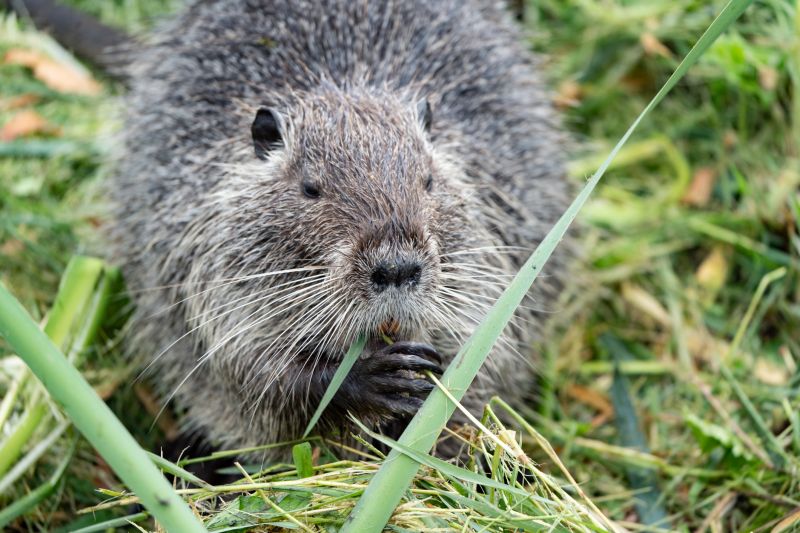
When homeowners search for information about beaver activity near homes, they are often concerned about the potential for flooding and property damage caused by these animals. Beaver activity typically involves dam-building in nearby streams, ponds, or drainage areas, which can lead to water backing up and flooding yards, basements, or even foundations. Many property owners also worry about the impact of beaver presence on landscaping and the safety of their outdoor spaces. This search may be driven by recent sightings, signs of dam construction, or reports of increased water levels around the property, prompting a need to understand both the risks and available wildlife control options.
This topic is closely related to property management plans that aim to prevent water damage and maintain safe, dry outdoor environments. Homeowners often seek solutions to mitigate flooding risks associated with beaver activity, especially when traditional drainage systems are overwhelmed. Additionally, those dealing with persistent beaver problems may explore wildlife control options to remove or relocate the animals safely. The concern extends beyond flooding; property owners may also be interested in preventing further dam construction that could compromise the landscape or cause erosion. Local service providers that specialize in wildlife removal and property protection can offer practical solutions tailored to these specific problems.
The types of properties most affected by beaver activity near homes tend to include rural residences, farms, and properties adjacent to natural water sources such as streams, ponds, or wetlands. Suburban homes near wooded areas or water features are also at risk, especially if the landscape includes natural drainage pathways. These properties often have yards, gardens, or basements that can be flooded or damaged by beaver dams or burrows. Understanding the property’s proximity to water sources helps determine the severity of flooding risks and guides the selection of wildlife control strategies. Local contractors experienced in beaver removal can evaluate the situation and recommend effective measures to protect property and reduce flood hazards.
Engaging with local service providers who specialize in beaver removal and wildlife control can help homeowners address these concerns effectively. These professionals can assess the extent of beaver activity, identify potential flood risks, and implement humane removal or dam management techniques. They also offer advice on preventing future problems, such as installing barriers or modifying landscape features to discourage beaver settlement. By working with experienced local contractors, homeowners can find practical, safe solutions to manage beaver activity near their homes, helping to minimize flooding risks and protect their property from damage.
Flood Prevention Projects - local contractors offer solutions to manage water flow and reduce flooding risks caused by beaver activity near homes.
Wildlife Exclusion Services - professionals provide fencing and barriers to prevent beavers from accessing residential areas, minimizing damage and flood risks.
Stream and Drainage System Repairs - local service providers can repair or install drainage systems to handle increased water flow from beaver activity near homes.
Wetland Management Projects - experts help modify or control wetland areas to reduce beaver habitat near residential properties, lowering flooding potential.
Erosion Control Solutions - contractors implement measures to stabilize soil and prevent erosion caused by beaver activity near homes.
Wildlife Damage Repairs - local pros can restore property damage resulting from beaver activity and help implement control options to prevent future issues.
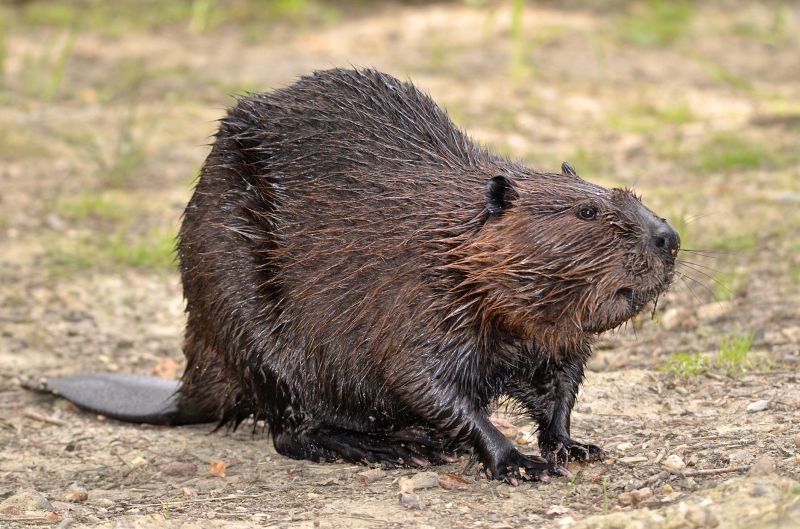
When comparing service providers for beaver activity near homes, it’s important to consider their experience with similar projects. Homeowners should seek out contractors who have a proven track record of handling wildlife control and flood prevention related to beaver activity. An experienced professional will understand the behavior of beavers, the typical signs of activity, and the most effective methods for removal and habitat management. This familiarity can help ensure that the work is completed efficiently and effectively, reducing the risk of recurring issues and potential property damage caused by flooding or beaver-related disruptions.
Clear written expectations are essential when evaluating local contractors for wildlife control and flood risk mitigation. Homeowners should look for providers who can offer detailed explanations of the scope of work, including what methods will be used for beaver removal, how they plan to address flood risks, and any ongoing maintenance or monitoring that might be necessary. Having a transparent plan helps establish mutual understanding and ensures that both parties are aligned on the project’s goals. Well-documented expectations can also serve as a reference throughout the process, making it easier to address any concerns or questions that may arise.
Reputable references and effective communication are key factors when choosing service providers for beaver activity near homes. Homeowners are encouraged to ask for references or reviews from past clients who faced similar challenges. This feedback can provide insights into the contractor’s reliability, professionalism, and ability to deliver results. Good communication is equally important; a responsive, clear, and professional contractor will keep homeowners informed about progress, answer questions thoroughly, and adapt to any changes or concerns during the project. These qualities help foster a smooth working relationship and increase confidence in the chosen provider’s ability to manage beaver-related issues responsibly.
Property owners often search for beaver activity near homes: flooding risks and wildlife control options when they are planning practical projects around their homes and businesses. Local pros provide Beaver Removal services for everyday jobs and straightforward project options.

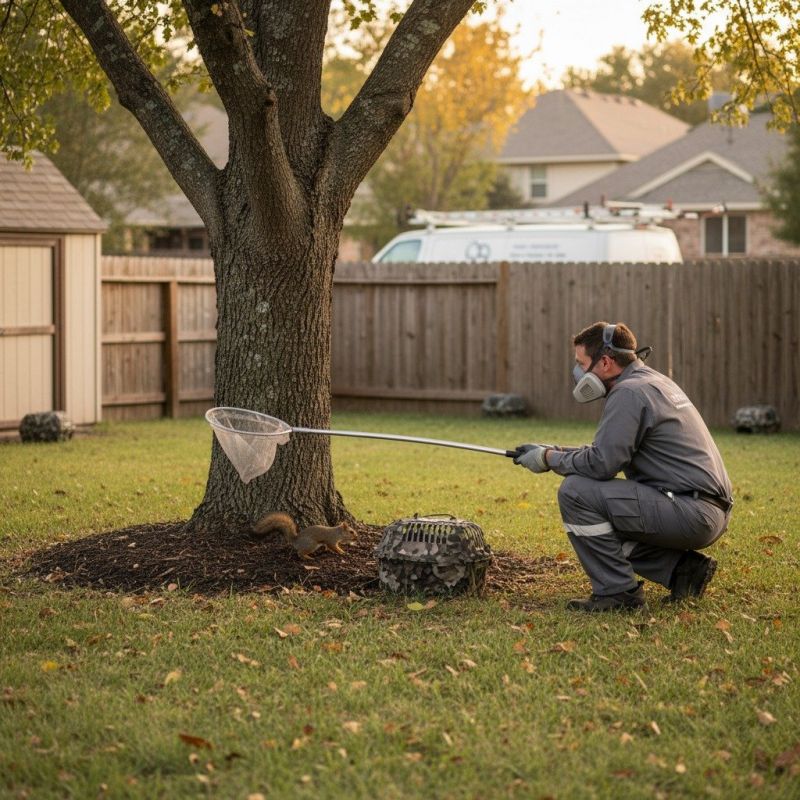
Beaver activity near homes can lead to serious flooding risks, especially when beavers build dams that block natural water flow. Property owners noticing signs such as water pooling, fallen trees, or unusual ponding around their property may seek solutions to prevent potential damage. In many cases, local contractors specializing in wildlife control and property protection can provide effective beaver removal services to help mitigate these risks and restore proper drainage.
For those dealing with persistent beaver presence or dam-related flooding issues, professional wildlife control options are often recommended. Local service providers can assess the situation, safely remove beavers, and implement measures to prevent future activity. Engaging experienced contractors ensures that property owners can address beaver-related concerns efficiently, reducing the likelihood of ongoing flooding and damage to the landscape.
How can beaver activity near homes cause flooding risks? Beavers build dams that can obstruct water flow, leading to localized flooding and water damage around residential properties. Local service providers can assess the situation and recommend effective wildlife control options to reduce these risks.
What wildlife control options are available for managing beaver activity near homes? Local contractors typically offer trapping, dam removal, and habitat modification techniques to safely manage beaver populations and prevent flooding issues.
Are there ways to prevent beavers from returning after removal? Yes, professionals may install exclusion devices or modify the landscape to discourage beaver re-entry, helping to protect homes from future activity and associated flooding risks.
How do local pros identify beaver activity near residential properties? They look for signs such as dam structures, lodge sites, chewed trees, and water level changes to determine beaver presence and assess potential flooding hazards.
Can wildlife control options also help reduce damage to property and landscaping? Yes, effective beaver management can minimize damage caused by flooding and protect landscaping by controlling beaver activity around homes.
Assessing flood risks - property owners can evaluate areas prone to beaver activity and work with local contractors to implement preventative measures.
Installing barriers or fencing - practical projects might include setting up exclusion devices to keep beavers away from sensitive property zones with help from local pros.
Creating wildlife-friendly solutions - property owners can explore options like flow devices or habitat modifications to manage beaver activity responsibly.
Monitoring beaver activity - regular inspections by local wildlife control experts can help detect early signs of beaver presence and prevent flooding issues.
If you are thinking about beaver activity near homes: flooding risks and wildlife control options for a property, this guide is meant to help you understand this topic, the typical project types, and how different options might fit your plans.
When you are ready, you can use the quote form on this page to share a few details about your project. From there, local pros can review the basics and follow up with options that match what you have in mind.